

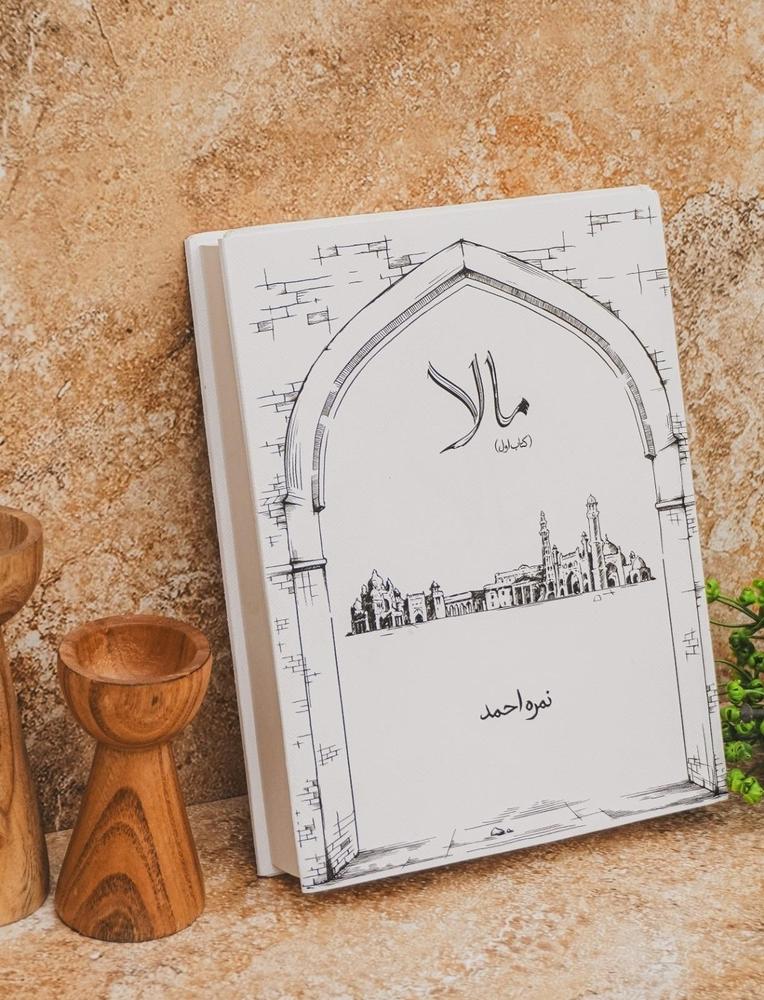


Mala Novel By Nimra Ahmad
₨1,875.00
Mala by Nimra Ahmed — a gripping Urdu novel blending love, suspense, spirituality, and self‑discovery. Follow Kashmala’s emotional journey through betrayal, black magic, and faith as she fights for truth, redemption and inner strength. A must‑read for fans of emotionally deep and spiritually resonant Urdu fiction.
Mala by Nimra Ahmed
Introduction
The novel Mala by Nimra Ahmed has emerged as one of the most talked‑about Urdu novels in recent years. With its intense mixture of romance, mystery, spiritual struggle, and real‑life social issues, Mala appeals to readers looking for more than just a love story. In this article, we explore what makes Mala special — its plot, themes, characters, and why it resonates so deeply with a wide audience.
What is Mala About? — Plot Summary
- The story centers around Kashmala (Mala), a young woman from a middle‑class background, whose life suddenly becomes entangled in black magic, betrayal, and family conspiracies. (Kitaab Nagri)
- Alongside personal struggles, Kashmala faces emotional turmoil, relationship betrayals, and shocks which challenge her faith and resilience. (Urdu Novels Mag)
- Amid these dark circumstances, she experiences love — but it’s not easy: misunderstandings, societal pressure, and external evil forces complicate her path. (Kitaab Nagri)
- Over the course of the novel, Mala’s journey transforms into one of self‑discovery, spiritual awakening, and redemption — as she fights against the destructive power of black magic, deceit, and betrayal to reclaim her life and inner peace. (Urdu Novels Collection)
This powerful narrative makes Mala much more than a standard romantic novel — it becomes a story of survival, growth, and faith under extreme pressure.
Main Themes Explored in Mala
1. Love, Betrayal & Emotional Turmoil
Love plays a central role in the novel — but not as an idealised fairy‑tale. The relationships in Mala are complex, fraught with misunderstandings, emotional abuse, and consequences of misplaced trust. (Urdu Novels Mag)
Through this, readers experience the full spectrum of human emotions — hope, heartbreak, longing, and the struggle to trust again.
2. Black Magic, Spiritual Conflict & Redemption
One of the novel’s most unique aspects is its exploration of dark spiritual forces. Kashmala’s life is derailed by black magic and unseen conspiracies — a harsh reality that many in society fear or ignore. (Kitaab Nagri)
The battle becomes not only external but deeply internal: between fear, despair, and the decision to cling to faith. The story underscores spiritual resilience, the power of prayer (symbolised by the novel’s title), and redemption through divine trust. (Multan Kitab Ghar)
3. Self‑Discovery, Inner Strength & Psychological Growth
Mala’s journey is not just physical — it is spiritual and psychological. The novel shows how trauma and challenges force self‑reflection, growth, and ultimately inner strength. (universeholder.blogspot.com)
Mala learns to stand on her own, reclaim her identity, and refuse to be defined by her circumstances or past mistakes.
4. Family, Social Dynamics & Real‑Life Issues
Mala delves into the social fabric: family bonds, societal expectations, jealousy, greed, and the dark side of human jealousy. (Kitaab Nagri)
Through Kashmala’s story, readers confront uncomfortable realities — how envy and black magic can ruin lives, how betrayal can come from the closest people, and how social pressures can push a person to the edge.
Why Mala Resonates With Readers
- Emotional Depth & Relatability: Many readers see parts of themselves in Kashmala — her struggles, hopes, heartbreaks, and spiritual dilemmas make the story deeply personal. The narrative evokes strong feelings: sorrow, empathy, hope.
- Blending Romance with Real‑Life and Spiritual Issues: Rather than offering a light romantic escape, Mala confronts dark realities. This blend of romance, mystery, social critique and spiritual introspection gives it depth and distinguishes it from typical “digest romance” novels.
- Strong Character Arc: Kashmala’s transformation — from a naive woman to someone with inner strength — is inspiring. The psychological realism in her journey makes character growth believable and satisfying.
- Thought‑Provoking Themes: The story doesn’t shy away from serious topics like black magic, betrayal, social injustice, spiritual warfare. It pushes readers to think about their own beliefs, values, and strength in adversity.
[Here an image illustrating the emotional journey or a symbolic representation of inner struggle — e.g., a lone figure in darkness/light — would reinforce the mood and themes]
Literary Style & Narrative Approach
- The author uses accessible and relatable Urdu language, making Mala approachable for a wide audience, from youth to seasoned readers. (Multan Kitab Ghar)
- The storytelling is evocative: vivid descriptions of emotional states, suspenseful twists, and psychological conflict — all contributing to immersive reading. (universeholder.blogspot.com)
- Rather than following a predictable pattern, the novel embraces complexity and realism. Characters are flawed, decisions are messy, and outcomes are not always ideal — which adds to authenticity. (universeholder.blogspot.com)
This narrative style ensures that many readers are emotionally invested — experiencing the story rather than just reading it.
Potential Criticisms & What to Keep in Mind
While Mala has many strengths, some readers may find aspects of it challenging or triggering:
- Dark & Heavy Themes: The aspects of black magic, betrayal, emotional and spiritual trauma, and social injustice can be intense. Readers expecting light romance might find it heavy.
- Not a Light, Happy‑go‑Lucky Romance: The story doesn’t guarantee a “happily ever after” in a simplistic sense. It’s more about resilience, faith and redemption — which can be bittersweet.
- Complex Plot & Twists: The multiple plotlines, secrets, betrayals, and spiritual elements can be overwhelming for readers who prefer straightforward narratives.
Therefore, Mala is best suited for readers seeking depth, realism, emotional sincerity and spiritual reflection, rather than escapist romance.
Who Should Read Mala?
You should consider reading Mala if you:
- Enjoy Urdu fiction with emotional depth and spiritual layers.
- Appreciate stories that explore real social issues, inner conflicts, and moral dilemmas.
- Prefer complex character development over simple, idealised heroes/romances.
- Are comfortable with heavy themes like betrayal, psychological trauma, faith crisis, and redemption.
- Like novels that make you think, reflect, and maybe even question certain aspects of life and belief.
Conclusion
Mala by Nimra Ahmed is a powerful novel — not because it offers a fairy‑tale romance, but because it holds a mirror to harsh realities: of betrayal, social envy, spiritual darkness, and inner turmoil. But at the same time, it offers hope: through faith, resilience, self‑discovery, and inner strength.
For readers willing to take the emotional journey, Mala is more than a novel — it is a reflection of human pain, spiritual struggle, and the potential for healing. Whether you read it for romance, mystery, or personal growth, Mala leaves a lasting impression.






Reviews
There are no reviews yet.